
Component 2: Demonstrating non-structural retrofitting construction for selected vulnerable hospitals and healthcare centers as role models
As observed in the recently damaged hospitals in Iran, inadequate seismic detailing and construction quality are taken as a major deficiency. Such factors have been recognized as the important sources of damage during earthquakes, namely in non-structural components. In many cases while the structural system has remained without damage after an earthquake, the facility lost its function due to damage to non-structural components.
As a result, This deficiency becomes much more important during seismic retrofitting of hospital buildings as a Disaster Risk Reduction and Management(DRRM) approach and the practice for seismic retrofitting of role-models of non-structural components in a hospital is defined as Component 2 in this Project.
The construction activities follow the instructions provided in the study results developed in Component 1. The Component is planned to develop role-models to deal with the challenges of retrofitting of non-structural components which based on the available evidences are of the most vulnerable elements of hospital facilities against earthquakes. The activities focus on incorporation of retrofit construction on:
– Walls systems,[read more]
Infill-walls as part of architectural elements in the buildings that divide different spaces, have shown vulnerable in previous earthquakes. The The most important weakness of the infill-walls is their brittle behavior compared to the structural frame, as well as their potential to be thrown out of the frame due to earthquake severe motions. The risk of failure increases for heavy traditional infill-walls such as brick or cement blocks. In order to reduce the vulnerability of infill-walls in the A.Tabarsi Hospital, Sari , proper concrete studs that were proposed as the retrofitting solution for such components (see Component1 of the BEHTAB phase II Project) are implemented in the 2nd Component of the Project as role models.
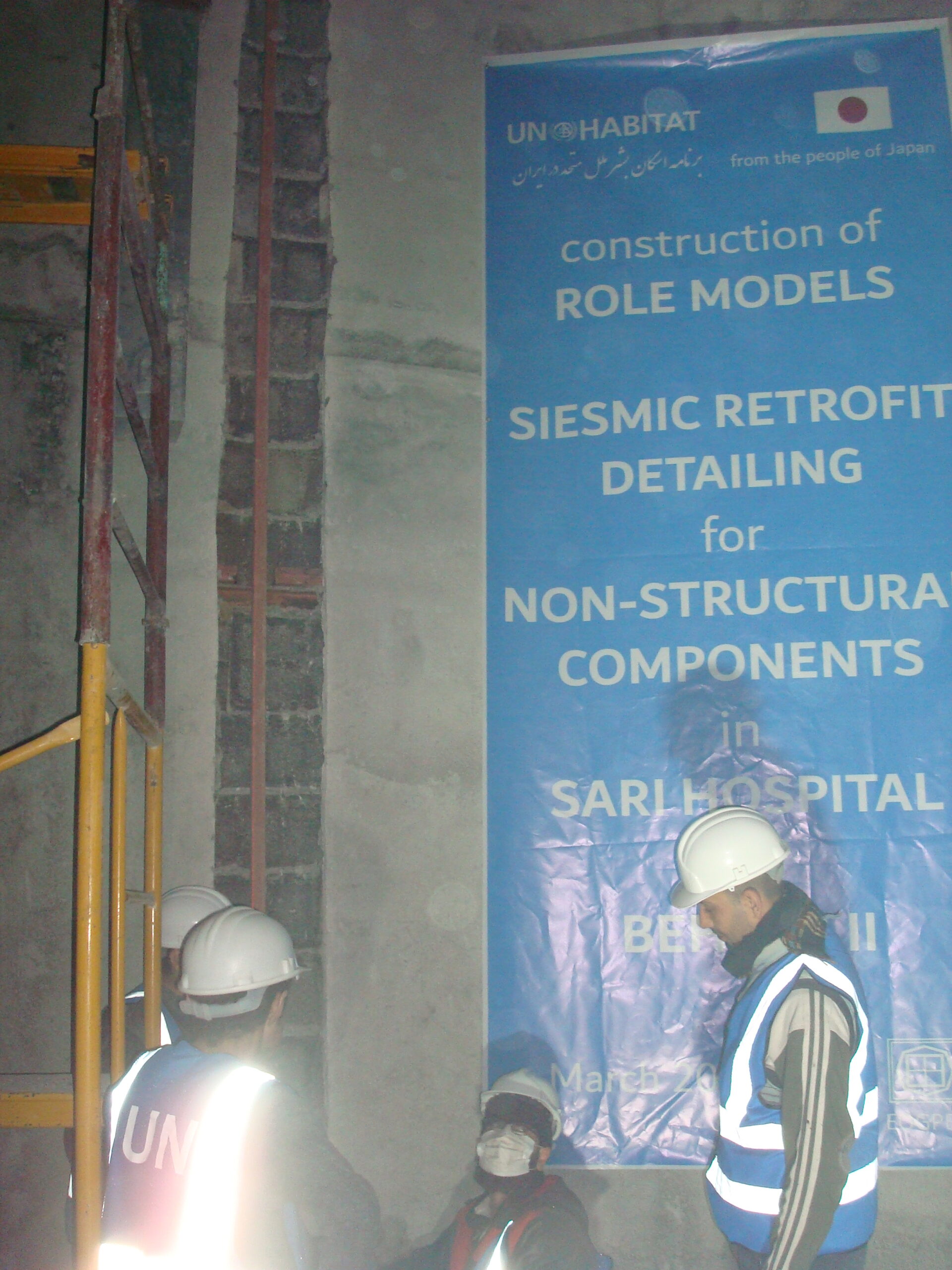
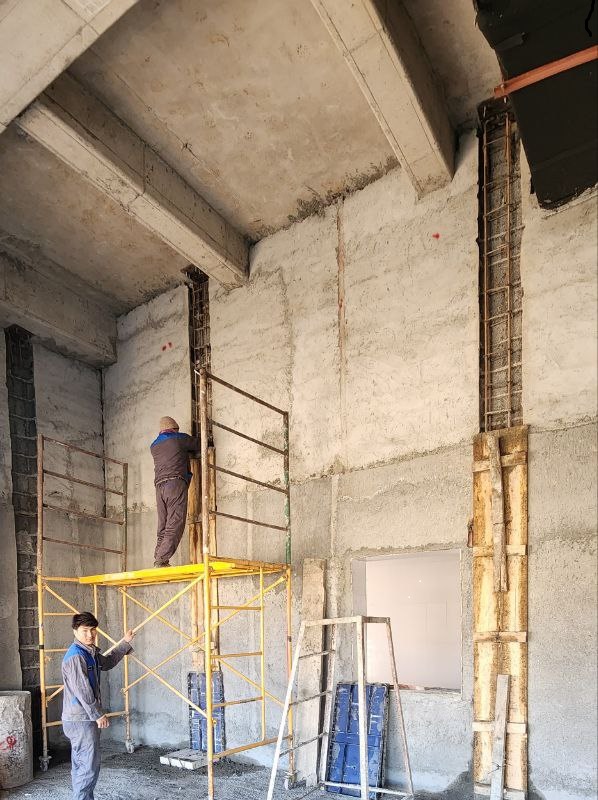
See more of Infill-walls Retrofitting Implementation in BEHTAB Phase II Gallery.
[/read]
– Supports of mechanical and piping systems, and[read more]
One of the main sources of Hospitals’ malfunction after earthquakes is the failure of Mechanical and Piping Systems. Components of these systems such as Fresh-Air Channels, Hot and Cold Water Piping, Medical Gas and etc. are mainly hanged from structures ceilings and distribute through levels and floors. In many cases of previous earthquake events, collapse and failure of these hanged components were observed due to lack of proper support for them against sever earthquake movements. Proper supports for these components are provided as the retrofit solutions in A.Tabarsi, Sari and Fatemi, Bushehr Hospitals as a result of 1st Component of the BEHTAB phase II Project.
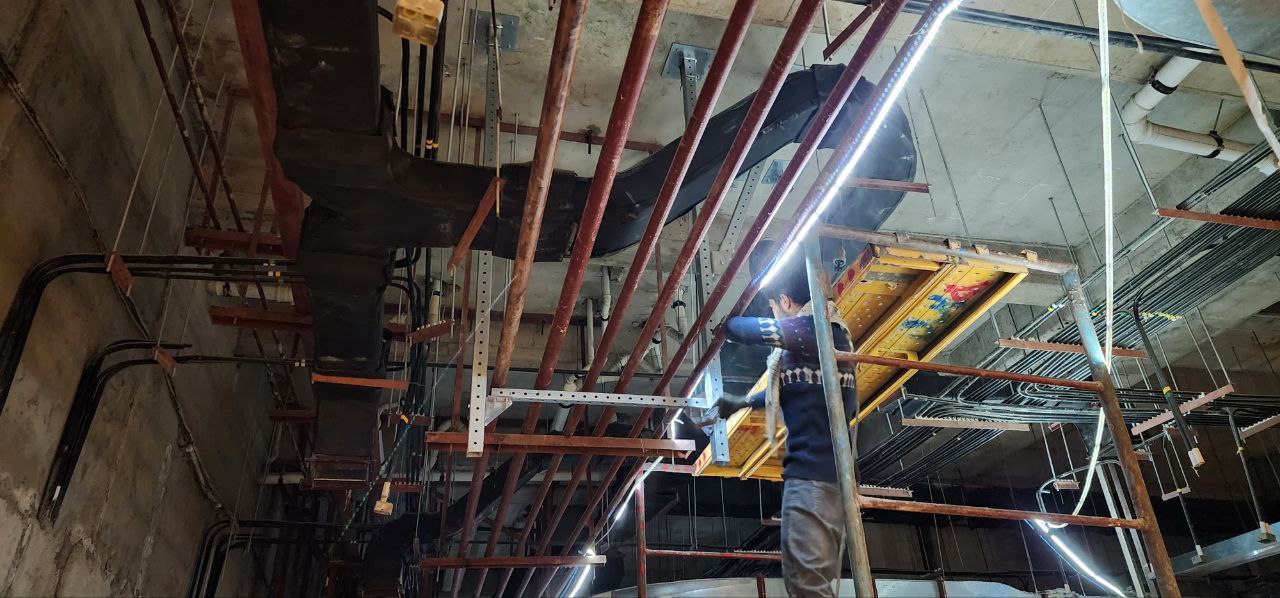
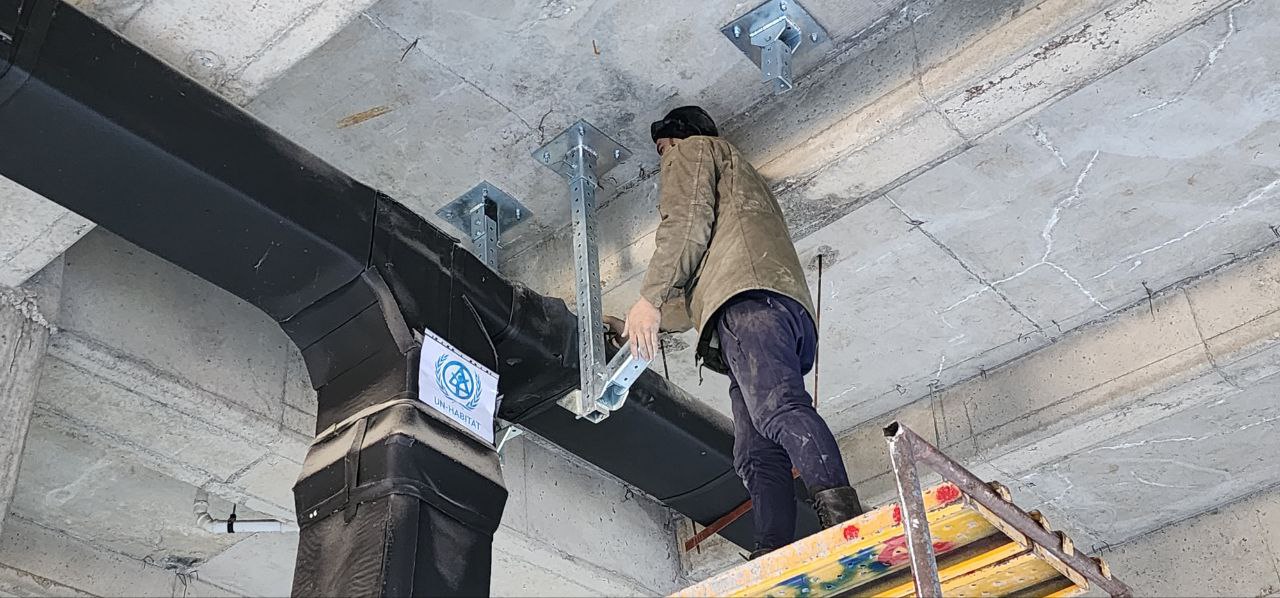
See more Implementation of Mechanical and Piping Systems Supports in BEHTAB Phase II Gallery.
[/read]
– Vulnerable Joints of piping System [read more]
Hospital Buildings typically consist of several structural blocks that are separated by seismic gaps to prevent collision of blocks. However, a major concern arises with piping systems crossing seismic gaps, as there are many reports of their failure due to inconsistent movement of building blocks during earthquakes. This challenge was resolved in BEHTAB Phase II Project by providing well detailed flexible joints in pipelines at the Seismic gaps of the Buildings. As a Result of the BEHTAB phase II Component1 vulnerability assessments, such retrofitting solution are implemented in A.Tabarsi, Sari and Fatemi, Bushehr Hospitals.
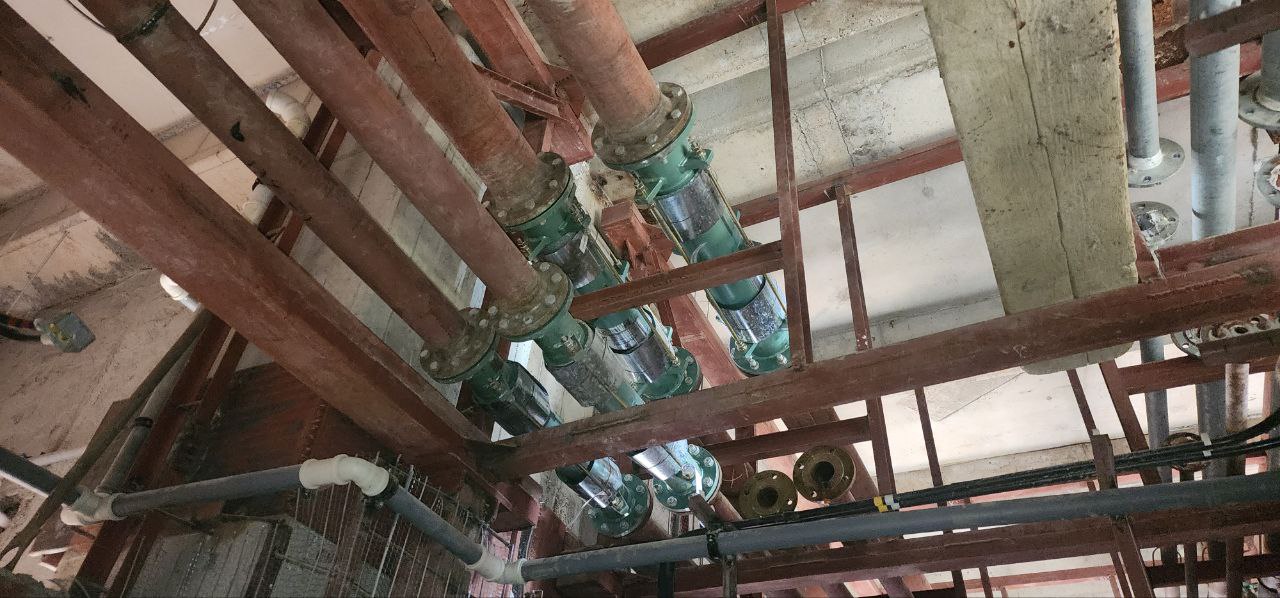
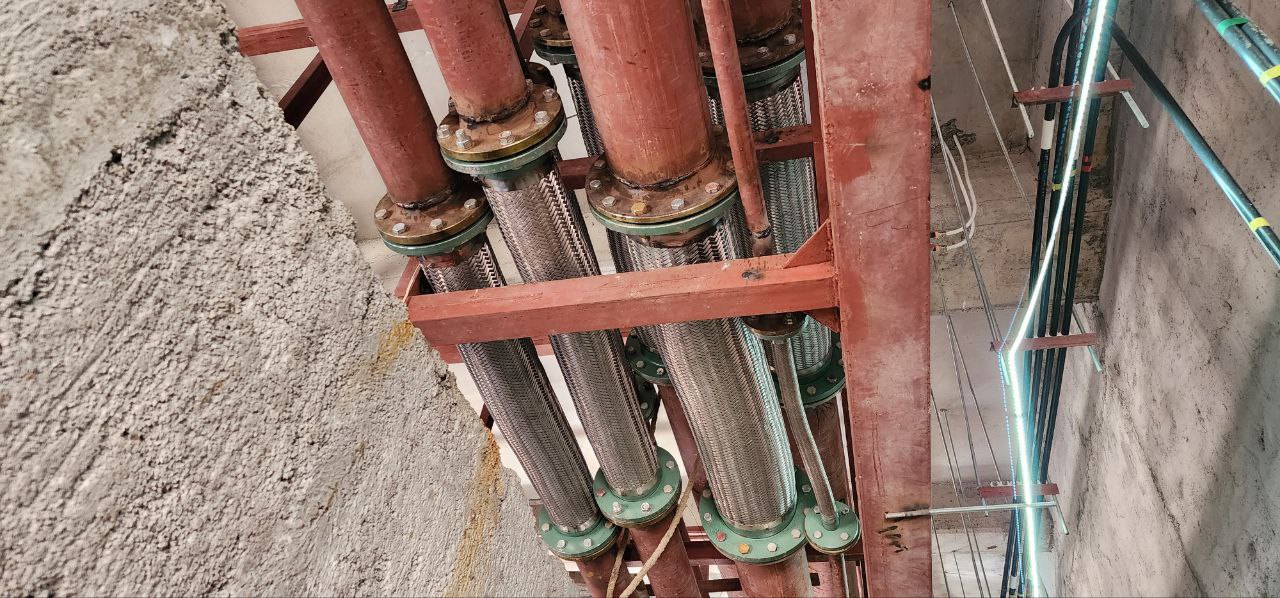
See more Implementation of Piping System’s Flexible Joints in BEHTAB Phase II Gallery.
[/read]
An advocacy program has also been implemented to upscale the results of this Component in other critical facilities in the country. The plan considers documentation of the good practices in the Project and contribution and training of technical staff in other contractor companies to get familiar with the applied techniques in this Project.
Development and issuance of technical instructions by the corresponding bureaus in the Implementing Partner has been as a part of institutional capacity development to assure the sustainability of the achievements after ending the Project (see BEHTAB Phase II Component3).
The Main Outputs of this Component of the Project can be addressed as:
- Improving the resilience of hospitals in Iran through retrofitting of existing vulnerable components.
- Personnel and institutional knowledge sharing and capacity development of the partners (both public and private sectors) on the implementation methods and technics of retrofitting of Non-Structural components in hospitals.
- Localizing international techniques and methods for improving the resilience of critical urban facilities.